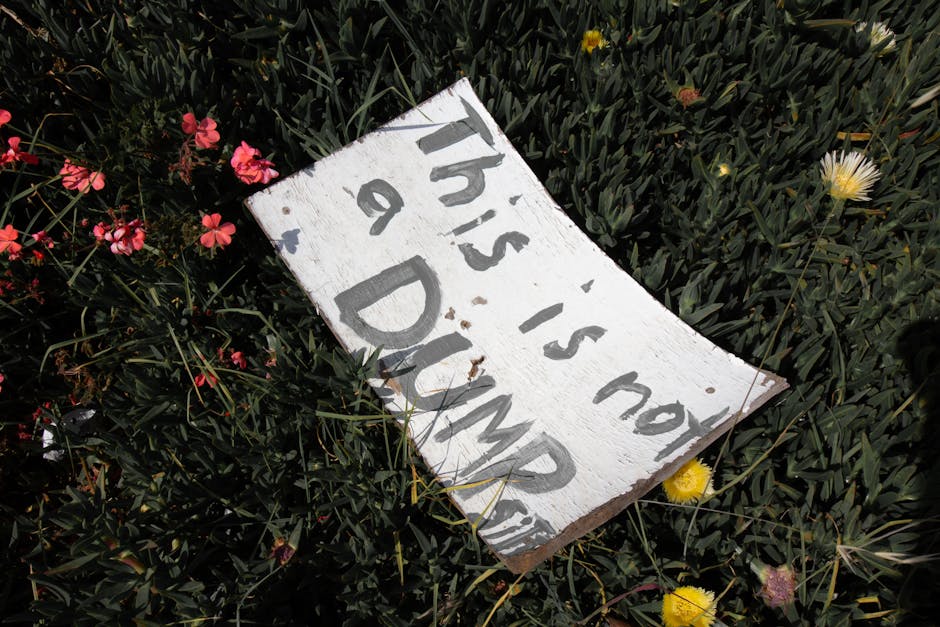
Fines for illegal rubbish dumping in Victoria Westminster areas: what residents and businesses need to know
If you have ever seen a black bag left beside a wheelie bin, a sofa dumped near a kerb, or builder's waste abandoned on a quiet street, you already know how fast the problem can snowball. Fines for illegal rubbish dumping in Victoria Westminster areas are not just a dry legal issue; they affect street cleanliness, safety, local reputation, and the cost of dealing with waste properly. In busy parts of Westminster, especially around Victoria, one careless fly-tip can create a mess that lingers for days, sometimes longer.
This guide explains how illegal dumping is usually dealt with, what can trigger a fine, how the process tends to work in practice, and what to do instead. It also covers the practical side that people often miss: how to avoid getting caught out when you are moving home, clearing a flat, renovating a property, or running a business that generates waste. Let's face it, nobody wants a penalty over something that could have been handled neatly in the first place.
Table of Contents
- Why Fines for illegal rubbish dumping in Victoria Westminster areas Matters
- How Fines for illegal rubbish dumping in Victoria Westminster areas Works
- Key Benefits and Practical Advantages
- Who This Is For and When It Makes Sense
- Step-by-Step Guidance
- Expert Tips for Better Results
- Common Mistakes to Avoid
- Tools, Resources and Recommendations
- Law, Compliance, Standards, or Best Practice
- Options, Methods, or Comparison Table
- Case Study or Real-World Example
- Practical Checklist
- Conclusion
- Frequently Asked Questions
Why Fines for illegal rubbish dumping in Victoria Westminster areas Matters
Illegal rubbish dumping is more than an eyesore. In Victoria Westminster areas, where pavements are busy, bins can fill quickly, and waste collection schedules matter, fly-tipping creates a chain reaction. A mattress dumped beside a residential block can obstruct access. Builder's rubble left on a narrow street can become a hazard for pedestrians, cyclists, delivery drivers, and even refuse crews. A few bags of loose rubbish in the wrong place can attract vermin before the week is out. Not pleasant.
For residents, the big concern is usually being blamed for waste that is not theirs. For landlords and managing agents, it is the nuisance of repeated dumping around shared entrances or bin stores. For businesses, the risk is reputational as well as financial. Customers notice messy frontages. Neighbours do too.
Fines matter because they are part of the enforcement response designed to discourage dumping and make proper disposal the default. But in real life, the issue is also about accountability. If you hand waste to the wrong person, leave it with an unlicensed collector, or dump it outside after closing time, you may still carry responsibility. That is the uncomfortable bit people often miss.
In a dense part of Westminster, waste left out even briefly can look like abandonment. So the margin for error is small. One badly timed disposal can turn into a penalty, a complaint, or a cleanup bill. Sometimes all three.
How Fines for illegal rubbish dumping in Victoria Westminster areas Works
There is no single simple script, because enforcement depends on the circumstances. Usually, if rubbish is left unlawfully on public land, in a communal area, or on private property without permission, the local authority or enforcement body may investigate. If there is evidence linking the waste to a person, household, business, or vehicle, that can lead to a fixed penalty or a formal enforcement process.
Evidence can be surprisingly mundane. An addressed envelope. A business invoice. Packaging with a name on it. CCTV footage. A van registration. Even a repeated pattern of waste found in the same alley or beside the same bin store can raise questions. People sometimes assume, wrongly, that if they are not seen in the act, they are safe. Not always.
In many cases, the response starts with identification and documentation. Officers may photograph the waste, note the location, and collect details that help establish whether it was dumped deliberately or left because of careless storage. If a notice or fine is issued, the recipient is generally expected to respond within the stated timeframe, either by paying, challenging it, or providing information if they believe the notice is mistaken.
There is a practical difference between a bag accidentally blown from a bin area and an intentional fly-tip of bulky waste. The former may still require cleanup, but the latter is what enforcement is built to stop. Businesses are often expected to be especially careful, because commercial waste has to be handled properly from the point it is produced. Truth be told, many problems begin with the words "we'll leave it there for now."
Practical summary: if waste is abandoned, traceable, or placed where it should not be, you may face a penalty, a removal charge, or both. The safest approach is simple: keep evidence of lawful disposal, use reputable waste services, and never assume someone else will deal with your rubbish correctly.
Key Benefits and Practical Advantages
This section may sound odd at first. What "benefit" comes from talking about fines? Quite a bit, actually. Understanding how enforcement works helps you avoid stress, protect your finances, and make cleaner decisions about waste handling.
- Lower risk of penalties: Once you know what counts as dumping, it becomes much easier to avoid the common traps.
- Better record-keeping: Receipts, collection notes, and photos can be useful if a dispute ever arises.
- Cleaner communal spaces: Proper disposal keeps entrances, bin stores, mews, and service yards usable.
- Less neighbour friction: In tightly packed Westminster streets, one person's rubbish can become everyone's headache.
- More predictable costs: Paying for lawful removal is usually far more manageable than dealing with fines and cleanups later.
There is also a quieter benefit: peace of mind. If you are moving out of a flat, clearing a garage, or emptying a home after a tenancy ends, you can focus on the actual job rather than wondering whether that pile by the wall is going to come back to haunt you.
If you need a proper disposal route for household waste, commercial rubbish, or mixed items, it can help to review a dedicated waste removal service and choose a lawful option before the waste piles up. For larger clearances, the right service makes all the difference.
Who This Is For and When It Makes Sense
Fines for illegal rubbish dumping in Victoria Westminster areas are relevant to more people than you might expect. It is not just about someone secretly dropping a mattress in the night. A lot of cases begin with perfectly ordinary situations.
- Homeowners clearing lofts, sheds, or garages
- Tenants moving out of flats with more rubbish than the bins can handle
- Landlords and agents managing end-of-tenancy clearances
- Builders and tradespeople handling rubble, timber, packaging, and old fixtures
- Offices and shops disposing of furniture, stock, or fit-out waste
- Residents in communal buildings where shared bins are often overloaded
If you are dealing with bulky items, leftover renovation waste, or a room full of old furniture, it may make far more sense to arrange a planned collection than to risk moving things out in bits and pieces. A single safe, documented collection is usually better than three rushed trips and a pile of stuff left outside "just for a moment." We all know how that ends.
For example, someone clearing a basement flat near Victoria might think leaving broken furniture beside the bins overnight is harmless. But if the building manager sees it, or if the waste blocks access for cleaners or other residents, it can quickly become a complaint. The same logic applies to office clear-outs, shop refits, and garden waste from maintenance work.
For more complex removals, including households, flats and shared buildings, the relevant options on the site such as house clearance, flat clearance, and office clearance can help you think through the right route before waste becomes a problem.
Step-by-Step Guidance
If you want to avoid fines and handle rubbish properly, a simple process works best. Nothing fancy. Just a clear plan.
- Identify the waste type. Separate household rubbish, bulky furniture, builders' waste, garden cuttings, and business waste. Each one may need different handling.
- Check whether it can go in normal collections. Some items are too large, too heavy, or too risky for standard bins. Do not force it.
- Keep waste on your property until collection. Leaving items on pavements, beside communal bins, or near entrances increases the chance of a penalty.
- Use a lawful collection method. If you need a specialist team, book ahead and confirm what will be taken.
- Keep proof of disposal. Save invoices, booking confirmations, and any notes about the service used. A photo before pickup can help too.
- Make sure nothing is left behind. Small bags, loose screws, plaster scraps, and packaging are the bits that often cause trouble later.
- Review shared areas afterwards. In blocks and terraces, check bin stores, side returns, and access routes so the site is left tidy.
A useful habit is to pause before putting anything out. Ask yourself: would this look like abandoned rubbish to someone passing by at 7:30 on a wet weekday morning? If the answer is yes, it probably needs a better plan.
For heavier or mixed loads, you may find it sensible to compare practical disposal routes with the service options listed for builders' waste clearance, garden clearance, and furniture disposal. The right fit depends on what is actually being removed, not just the postcode.
Expert Tips for Better Results
After you have seen enough clearances, a few patterns become obvious. The people who avoid waste problems usually do the boring things well. And that is not a criticism; it is exactly what works.
- Separate items before the collection day. Mixed waste takes longer to handle and is easier to leave half-finished.
- Don't overfill bags. Torn sacks spilling onto the pavement are a classic source of complaints.
- Protect shared access. Keep hallways, stairwells, and rear passages clear for neighbours and emergency access.
- Ask what happens to recyclable items. Responsible disposal is not only about avoiding fines; it is also about reducing avoidable landfill.
- Book earlier than you think. A tidy plan two days ahead is easier than a panicked same-day scramble.
One small but useful tip: take quick photos before the load is collected. Not glamorous, I know. But if there is ever confusion about what was removed, those pictures can save a lot of back-and-forth. They also help if a neighbour later says, "that wasn't my rubbish."
If you are working around a busy property or commercial premises, a service page like business waste removal may be a better match than a generic collection. The load, timings, and access requirements are usually different. That detail matters more than most people think.
Common Mistakes to Avoid
This is where a lot of trouble starts. Most people do not set out to break the rules. They just assume a shortcut is harmless. Then the pile sits there, the street gets busy, and someone reports it.
- Leaving waste outside too early. Even if collection is planned, early placement can look like illegal dumping.
- Using unlicensed or vague collectors. If someone offers to take rubbish cheaply and disappears, you may still be left with the responsibility.
- Assuming communal bins are for everything. Shared bins are often unsuitable for bulky waste, renovation debris, or large volumes.
- Mixing different waste streams. Clean cardboard, general rubbish, green waste, and construction waste may need different handling.
- Ignoring small leftovers. Broken tiles, damp plaster, packaging straps, and offcuts are easy to overlook but can still trigger complaints.
There is also the old mistake of thinking, "It'll be fine till tomorrow." Maybe. Maybe not. In Westminster, where footfall is high and streets are watched closely, tomorrow can arrive fast.
For awkward items such as sofas, wardrobes, broken tables, or worn-out office furniture, it is often safer to arrange the right kind of collection rather than leave them near bins. The pages for furniture clearance and furniture disposal are useful starting points when bulky items are the issue.
Tools, Resources and Recommendations
You do not need a toolbox full of specialist kit to handle waste properly, but a few simple resources help a lot.
- Heavy-duty sacks and boxes: Good for sorting mixed household items before collection.
- Labels or marker pens: Useful for identifying what is reusable, recyclable, or to be removed.
- Phone camera: Handy for keeping a visual record before pickup.
- Tape measure: Especially useful for bulky furniture or awkward spaces like loft hatches and stairwells.
- Clear instructions for contractors: If tradespeople are on site, make sure they know where waste should go and where it should not.
On the service side, the most useful pages on the site for planning lawful disposal include home clearance, garage clearance, and loft clearance. These are especially relevant if the waste is coming from a clear-out rather than an everyday bin issue.
You may also want to look at the company's approach to recycling and sustainability, because a cleaner disposal route is often better for the environment as well as for compliance. That is the nice overlap, really: doing the right thing and avoiding needless risk.
For practical reassurance around service standards, it can also help to review pages about health and safety and insurance and safety. Waste work is physical work, and the handling side should never be treated casually.
Law, Compliance, Standards, or Best Practice
Without trying to turn this into a legal lecture, there are a few principles that matter. Waste should be stored safely, transferred responsibly, and handed to someone who is properly set up to remove it. In the UK, the general expectation is that the person producing waste keeps control of it until lawful disposal takes place. If you hand it to the wrong person, you can still end up with consequences. That's the bit to remember.
For businesses, compliance is even more important. Commercial premises should not treat rubbish as something to be quietly moved into public space after hours. That can lead to fines, complaints, and in some cases a harder conversation about duty of care. It is better to have a clear waste process than to improvise one at 6 p.m. on a Friday.
For residents and landlords, the best practice is simple:
- keep waste on private property until scheduled pickup,
- use traceable, lawful removal arrangements,
- avoid leaving items in communal corridors or on pavements,
- separate what can be recycled from general rubbish,
- document the collection where possible.
If you need a quick reference for how a reputable operator frames its own standards, the site's terms and conditions and complaints procedure are useful to review. They help set expectations before anything is booked. A small bit of reading now can prevent a much bigger headache later.
Options, Methods, or Comparison Table
When people are trying to avoid dumping fines, they usually choose between a few disposal routes. Some are fine for tiny amounts. Others are better for bulky or mixed loads. The right choice depends on timing, access, volume, and how much risk you are willing to carry. Frankly, that last point is often the real decider.
| Option | Best for | Pros | Watch-outs |
|---|---|---|---|
| Normal bin collection | Small domestic rubbish | Simple and familiar | Not suitable for bulky, heavy, or hazardous items |
| Self-haul to disposal point | People with transport and time | Direct control over disposal | Can be awkward, tiring, and time-consuming |
| Specialist waste removal | Mixed loads, furniture, builders' waste, larger clearances | Convenient, safer, more traceable | Must be booked properly and matched to the waste type |
| Leaving items outside "temporarily" | Nothing, really | Feels quick in the moment | Highest risk of complaint, fine, and cleanup hassle |
If you are in a flat, a shared building, or a property with restricted access, specialist collection often makes the most sense. For larger domestic jobs, house clearance can be a better fit. For trades and site work, builders' waste clearance is usually the more relevant route.
Case Study or Real-World Example
Here is a realistic scenario. A resident in a Westminster flat near Victoria decides to clear out old furniture before a move. The lift is narrow, the hallway is shared, and the furniture will not fit in the usual bins. Instead of leaving the items beside the bin store, they book a proper collection, separate the reusable pieces from the broken ones, and keep the waste inside until the agreed pickup window.
That sounds almost too straightforward, but it works. The key difference is timing and control. Nothing is left on the pavement. Neighbours are not blocked. The building manager does not have to chase anyone. And there is no awkward "who left this here?" moment on the Monday morning. Small miracle, really.
Now compare that with the usual bad outcome: furniture placed in the communal area on a Friday evening, bags added over the weekend, and by Monday a complaint has been made because the route to the bins is blocked. What began as a bit of convenience can turn into a fine, a messy cleanup, and a sour relationship with the building. Not ideal.
The lesson is simple: if it looks temporary but behaves like abandonment, it is a risk. Booked disposal avoids that gap.
Practical Checklist
Use this before any rubbish or bulky item leaves your property.
- Have I identified exactly what needs removing?
- Does this fit normal bin capacity, or does it need a special collection?
- Is any of the waste from building work, furniture, garden waste, or office clear-out?
- Have I kept it on private property until collection day?
- Have I avoided placing anything on pavements, in communal hallways, or beside shared bins?
- Do I have booking notes, receipts, or photos saved?
- Is the collection company or disposal route suitable for the waste type?
- Have I checked that the space will still be clear for residents, staff, or visitors?
- Are recyclables separated where practical?
- Would I be comfortable explaining this setup if a neighbour or officer asked about it?
If you can answer yes to the right things, you are already well ahead of most avoidable waste problems.
Get a free quote today and see how much you can save.
Conclusion
Fines for illegal rubbish dumping in Victoria Westminster areas are ultimately about more than enforcement. They are a reminder that waste has to be handled with care, especially in a dense, busy part of London where one careless decision can affect a whole street or building. The good news is that the fix is usually straightforward: keep waste controlled, use the right collection route, and keep proof of what happened.
If you are clearing a home, emptying a flat, dealing with old office furniture, or managing building debris, the safest choice is nearly always the one that is tidy, traceable, and lawful. A little planning now saves a lot of trouble later. And honestly, that is the kind of boring success story worth having.
If you want to understand the service side better, the site's pages on pricing and quotes, about the company, and contact are sensible places to start. The right disposal choice is rarely the flashiest one, but it is usually the calmest.
Take it step by step, keep it neat, and you will avoid most of the drama before it starts.
Frequently Asked Questions
What counts as illegal rubbish dumping in Victoria Westminster areas?
It generally means leaving waste where it is not permitted, such as on pavements, beside bins, in communal spaces, or on private land without consent. Bulky items, bags, builders' waste, and broken furniture can all fall into this if they are abandoned rather than properly disposed of.
Can I get fined if I leave rubbish out near the bins overnight?
Yes, it can happen. Even if you intended it for collection, waste left too early may be treated as abandoned. In a busy area like Victoria, timing matters quite a lot.
Who is usually responsible if dumped rubbish is traced back to my property?
Responsibility can depend on the circumstances. If waste from your home or business can be linked to you, you may need to explain how it was handled. Keeping receipts and booking records helps show that you arranged lawful disposal.
Do businesses face different expectations from households?
They often do. Businesses are usually expected to manage waste more formally, especially where commercial or trade waste is involved. That includes storage, collection, and record-keeping.
What should I do if someone dumps rubbish outside my property?
Do not move it into the street or another public space. Take photos, make a note of the location, and report it through the appropriate local route if needed. If it is on private property, you may need to arrange removal carefully.
Is fly-tipping the same as leaving one item beside a bin?
Not always, but it can be. A single item can still be treated as illegal dumping if it is left unlawfully. The size of the item matters less than the fact it was abandoned where it should not be.
How can I avoid problems when moving house or clearing a flat?
Plan the clearance in advance, keep items inside until collection, and use a lawful removal service for bulky waste. For flats and shared buildings, this is especially important because communal areas create extra risk.
Do I need proof that waste was collected properly?
Yes, it is wise to keep it. A booking confirmation, invoice, or collection note can help if anyone later questions where the waste went. It is one of those small admin tasks that pays off.
What types of waste are most likely to cause issues?
Bulky furniture, renovation debris, garden cuttings, mixed rubbish bags, and commercial waste often cause the most trouble. They are awkward to move, easy to leave temporarily, and more likely to be noticed if placed in the wrong spot.
Is it better to use a specialist clearance service for large or mixed loads?
Usually, yes. If the load includes furniture, building debris, or different waste types, a specialist collection is often safer, cleaner, and more practical than trying to handle it in bits and pieces.
Can illegal dumping lead to more than just a fine?
Yes. Depending on the situation, there can be cleanup costs, complaints, delays, and in some cases further enforcement action. The real cost is often wider than the initial penalty.
What is the simplest way to avoid all of this?
Keep rubbish on private property until it is collected, use a legitimate disposal route, and save your records. It sounds basic because it is basic. But basic is usually what works best.