Garden Clearance in Victoria
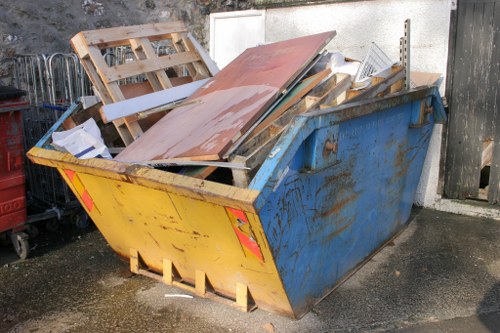
Garden Clearance Victoria provides a practical way to clear outdoor spaces in Victoria, with work centred on the removal of green waste, broken garden items and accumulated debris. The service is suited to gardens that need a full tidy-up as well as plots where only part of the space needs attention. We focus on making the clearance process straightforward, so customers can move from an overgrown or cluttered garden to a space that is ready for use, maintenance or the next stage of improvement.
Our work covers the kind of material that often builds up outdoors over time: branches, hedge cuttings, old plant pots, soil, turf, damaged fencing sections, sheds’ contents and general garden rubbish. Where items are mixed, we separate what can be handled for disposal or recycling from materials that may need a different approach. That can include larger domestic pieces, light construction leftovers from landscaping and awkward clutter that is difficult to move without the right equipment.
Because every clearance job is different, it helps to think in terms of access, load size and the condition of the garden rather than just the volume of waste. A narrow side return, a back garden with steps or a space that contains heavy or damp material can all affect the work involved. If you need garden clearance organised with care and a clear scope, Victoria is the main area we serve on this page, and the sections below outline the kinds of tasks commonly involved.
What a garden clearance can cover
A proper garden clearance is usually broader than simply taking away a few bags of cuttings. It may involve removing seasonal growth, lifting dead plants, gathering fallen branches, clearing border waste and dealing with the debris left after pruning or redesign work. For some properties, the aim is to restore order after a long period of neglect; for others, it is to make a garden easier to maintain by taking away the surplus material that blocks access or makes further work awkward. We tailor the scope to the space rather than forcing every garden into the same pattern.
Useful clearances often combine several types of waste in one visit. For example, a job may include garden furniture that is no longer serviceable, pots and planters that have split, timber offcuts, compost sacks, and the remains of broken ornaments or edging. Where there is a mix of organic and non-organic material, it matters to handle each item sensibly so the clearance stays efficient and the final result is neat. Our garden clearance service is built around that practical mix of outdoor waste rather than a narrow single-item removal.
Typical outdoor materials
The most common items include hedge trimmings, branches, clippings, leaves, weeds, compost, old turf and root matter, but the list can extend far beyond green waste. Many gardens also contain cracked slabs, rusted tools, worn hose reels, dismantled raised beds, damaged screening and general refuse left from previous work. If you are unsure whether a particular item belongs in the clearance, it is usually best to group it with the rest of the load so it can be assessed as part of the overall job. That approach keeps the process simple and avoids repeated handling.
Sorting, loading and responsible disposal
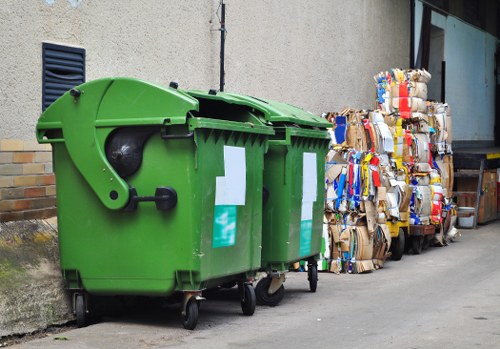
Garden clearance is not only about lifting things away; it also depends on sorting the material correctly before loading. Green waste, timber, hard plastics, metal, soil and mixed rubbish often need different handling, and separating them properly can make the job cleaner and more efficient. We pay attention to what is reusable, recyclable or simply unsuitable for garden disposal, then manage the clearance in a way that keeps the site tidy while work is in progress. That is particularly helpful when the garden contains a layered mixture of waste rather than a single pile.
Where waste is bulky or awkward, the practical side of the work becomes just as important as the disposal method. Heavy sacks of soil, waterlogged cuttings and broken hardscape material can be difficult to move safely without planning the route from garden to vehicle. In a typical clearance, we think about the shape of the load, the likely carrying distance and any points where the process may need to be broken into stages. General waste removal can complement this kind of work when a garden also contains items that are not purely horticultural.
If a job includes materials from recent landscaping or maintenance, it may also require a sensible split between organic waste and construction-type debris. That distinction matters because it can affect the handling method, the loading pattern and the final disposal route. Garden waste that has been left to compact over time can weigh far more than it first appears, so it is often helpful to treat the clearance as a structured task rather than a quick sweep-up. In practical terms, that means identifying the contents, planning the removal and leaving the garden ready for whatever comes next.
Preparing for a clear quotation
When a customer asks for a quotation, the most useful information is usually a plain description of the garden and the waste that needs taking away. Photos can help if the site is cluttered, if access is limited or if the material is spread across different areas, but written details remain important too. It is especially helpful to mention whether the clearance covers only green waste, whether there are heavier items involved and whether anything is stacked, bagged or partly dismantled already. Clear information supports a more accurate scope from the outset.
Pricing and quotes become easier to discuss when the size of the task is described clearly, because a garden clearance can vary from a small border tidy to a full outdoor clearance involving several categories of waste. The amount of material, how easy it is to reach, and whether manual carrying is needed all affect the work involved. If you have a specific date in mind, include that as part of your enquiry so the timing can be considered alongside the practical details. A concise request is often enough to start the process.
For many customers, the simplest next step is to gather a short list of what needs removing, note any access issues and then ask for a tailored quote. If the garden has separate areas, such as a front space, back space and side return, it can help to mention each one. That does not mean the clearance needs to be over-described; it simply gives enough structure to assess the work properly. Request a quotation when you are ready and include the main points that will help shape the estimate.
Domestic garden spaces and outdoor storage areas
Many garden clearance jobs begin with the outdoor areas that are easiest to overlook: a side passage used for storage, a shed corner filled with old bags, the strip behind a garage or the space around bins and planters. These places often accumulate mixed items over time, especially after planting seasons, home improvements or changes to the layout of the garden. Our approach is to clear each section in a sensible order so that the customer gets a useful result rather than a rushed emptying of the most obvious piles.
Domestic work may also include items that sit between garden clearance and household clearance. A broken parasol, garden bench, spare paving slabs, children’s outdoor toys, old plant supports or a dismantled cold frame can all belong in the same job if they are part of the outdoor clutter. Home clearance may be relevant where the garden waste is only one part of a wider removal project, particularly if the property has stored items that need sorting before the outdoor area can be cleared fully.
When access changes the job
Access affects the work more than many people expect. If the garden can only be reached through the house, or if there is a long carry to the vehicle, the clearance often needs more planning than a straightforward open-access load. Narrow gates, uneven paths and wet ground can all influence how the waste is gathered and moved. In those situations, a clear explanation of the route and any restrictions helps ensure the task is approached in the right way from the beginning, with less disruption during the clearance itself.
Clearing overgrown or neglected gardens

Some gardens require more than routine tidying and involve the removal of accumulated growth, dead material and hidden waste. In an overgrown space, cuttings may be tangled with old objects, discarded bags or broken fittings, and the first stage is often to open up the area enough to see what is actually there. A careful garden clearance can make this process manageable by separating vegetation from other waste, reducing bulk and creating a clearer path through the site. That can be important when the aim is to bring the garden back into regular use.
Neglected spaces may contain thorny branches, uneven ground, damp debris or partially buried items, so the work needs to be handled with attention rather than force alone. The most effective clearance is often staged: first identify what is visible, then remove the obvious waste, and finally deal with the material that becomes accessible once the outer layer is gone. Garage clearance can be useful as a comparison where outdoor clutter extends into nearby storage, although the garden itself remains the focus of this service.
There is also a practical difference between a simple tidy and a true overgrowth clearance. A tidy may only need cuttings and a few loose items removed, while a neglected garden may involve multiple loads, mixed waste and a more considered approach to loading. In those cases, it is sensible to think about the final outcome first: whether the goal is to expose the ground, create access, or prepare the space for replanting or further maintenance. The right clearance method follows that goal.
Recycling, reuse and mixed waste handling
Not every item taken from a garden should be treated in the same way. Some materials can be recycled, some may be suitable for reuse elsewhere, and some will need disposal because they are damaged, contaminated or no longer fit for purpose. Garden clearance often brings all three together, especially when customers are dealing with old outdoor furniture, metal fittings, timber pieces, plastic containers and organic waste in one place. A sensible sorting method helps keep the job organised and reduces unnecessary handling.
One reason to treat the material carefully is that gardens frequently contain both soft and hard waste. Plant matter can be compressed, but slabs, pots and timber offcuts do not behave the same way when loaded. That means a tidy-looking pile may still include a surprising variety of items inside it. Recycling and sustainability is relevant where customers want to understand how different waste streams are considered, especially when the clearance includes a broad mix of outdoor materials.
How mixed waste is approached usually depends on what is present and how it has been stored. We separate with practicality in mind, keep the work area organised and avoid treating every item as if it belongs to one category. That helps the clearance stay efficient without losing sight of responsible handling. If the garden contains both reusable outdoor items and waste that cannot be kept, identifying them early can make the rest of the job more straightforward and help the space feel properly reset.
About Victoria

Victoria is a central area of London best known for its dense mix of transport, offices, hotels and civic landmarks. It takes its name from the 19th-century redevelopment associated with the reign of Queen Victoria, and today the district is closely identified with Victoria Station, one of the capital’s major rail and Underground interchanges. The station area has long been a point of movement rather than a quiet residential quarter, yet it sits within a wider landscape of streets, terraces and institutional buildings that reflect different phases of Westminster’s growth. The area’s fabric is shaped by its position near the heart of the city, where government, commerce and travel overlap within a compact setting.
Architecturally, Victoria includes a notable contrast between large transport buildings, post-war office blocks, hotels and surviving historic structures. Buckingham Palace lies to the west, while Westminster Cathedral stands nearby as one of the borough’s most recognisable landmarks. The surrounding streets connect to the ceremonial and political geography of central London, with St James’s Park providing open green space close to the station and the Palace. That combination of transport infrastructure, civic architecture and nearby open ground gives Victoria a distinctive character, even though much of it is defined by movement, redevelopment and intensive use rather than one single historic street pattern.
The area also sits within reach of theatres, shopping streets and long-established routes that draw people through the district at all hours. This layered mix of uses has helped Victoria remain a significant urban centre while still retaining pockets of older building stock and formal public space. As part of Westminster, it belongs to a part of London where history is often visible at street level, from grand facades to ceremonial routes and well-known public buildings. The result is a place that feels compact, busy and highly connected, with landmarks and transport links that continue to shape its identity.
Garden clearance for changing outdoor layouts
Outdoor spaces do not stay static for long. A garden may change after a redesign, a pruning cycle, a tenancy handover or a period of neglect, and the clearance needed at each stage is slightly different. In one case the aim may be to remove a pile of prunings after the beds have been reshaped; in another, it may be to strip the space back so that new planting or hard landscaping can begin. A good clearance service takes the current layout seriously and removes waste without making assumptions about what the garden should become next.
Where borders, paths and storage spaces all meet, the clearance often becomes more complex because waste is spread across several zones. It is useful to separate areas before work begins if that is practical, but it is not essential for a quote as long as the main contents are described clearly. Flat clearance is not the same service, yet it can be relevant when outdoor clutter is linked to a wider property clean-out and the customer wants the whole space dealt with in stages rather than all at once.
Practical choices for the customer
Customers often have to decide whether the most urgent need is speed, tidiness or the removal of a specific type of waste. The answer can change the way the job is planned. For instance, if the garden is being prepared for landscaping, the focus may be on clearing the ground cleanly; if the space simply needs to be usable again, then removing the heaviest clutter may be enough. Being clear about the outcome avoids confusion and helps the clearance match the intended use of the garden.
What can affect the scope of work

Several factors can influence how a garden clearance is approached. The first is volume: a small pile of cuttings is very different from a garden full of stacked waste, heavy bags and broken outdoor fittings. The second is composition, because green waste, soil, timber, metal and mixed rubbish do not all require the same handling. The third is access, including whether the waste can be carried directly out or whether it must pass through narrow gates, shared paths or internal routes before it reaches a vehicle.
Weather and condition also matter. Wet organic waste weighs more, damp ground can be slippery, and long-standing debris may be partially hidden beneath overgrowth. Those details do not make a clearance impossible, but they do affect the order in which the work is done and the equipment likely to be needed. For larger jobs, it can help to look at the clearance as a sequence of manageable stages rather than a single pile to be taken away in one movement.
When you are ready to move forward, the simplest approach is to describe the garden, list the main items and ask for a tailored quotation. Contact us if you would like the work reviewed against the space you have, or if the garden contains a combination of green waste and mixed items that need separating. A clear enquiry is often the quickest route to a practical estimate and a clearance plan that fits the site.